Asphalt Resurfacing
Structural Integrity
-
-
Item description
-
Item description
Preventative Maintenance
-
CSS-1HPM
-
CSS-1H
-
Coal Tar
Asphalt Emulsion

Pavement Marking
-
Water Based
Oil Based
-
Hydrocarbon
Alkyd
-
Rumble Strips
Reflectors

STANDARDS OF OPERATION
This isn’t just a business—it’s a reflection of what we believe in. We’re here to create work that matters, led by a shared commitment to quality and care.
We’re proud of where we’ve been and even more excited for what’s ahead. What sets us apart isn’t just our process—it’s the intention behind it. We take the time to understand, explore, and create with purpose at every turn.
PAVEMENT MARKING
DOT COMPLIANT LAYOUTS
ADA COMPLIANT SPACING AND ACCESS ISLES
FIRE MARSHAL COMPLIANT FIRE LANES
MUTCD ALIGNED MARKINGS
HIGH BUILD TRAFFIC COATINGS FOR EXTENDED WEAR
DOT APPROVED TYPE II OR III TRAFFIC PAINT
PRECISION LAYOUT, NO GUESSWORK
SEALCOAT
ENTIRE SURFACE CLEANED AND FREE OF DEBRIS
COMMERCIAL GRADE SEALER
MIX DESIGN CONTROLLED FOR PROPER VISCOSITY AND UNIFORM COVERAGE
FULL SURFACE COVERAGE INCLUDING EDGES AND TIGHT AREAS
DOT COMPLIANT APPLICATION SPECS
BUILT TO SPEC, BUILT TO LAST
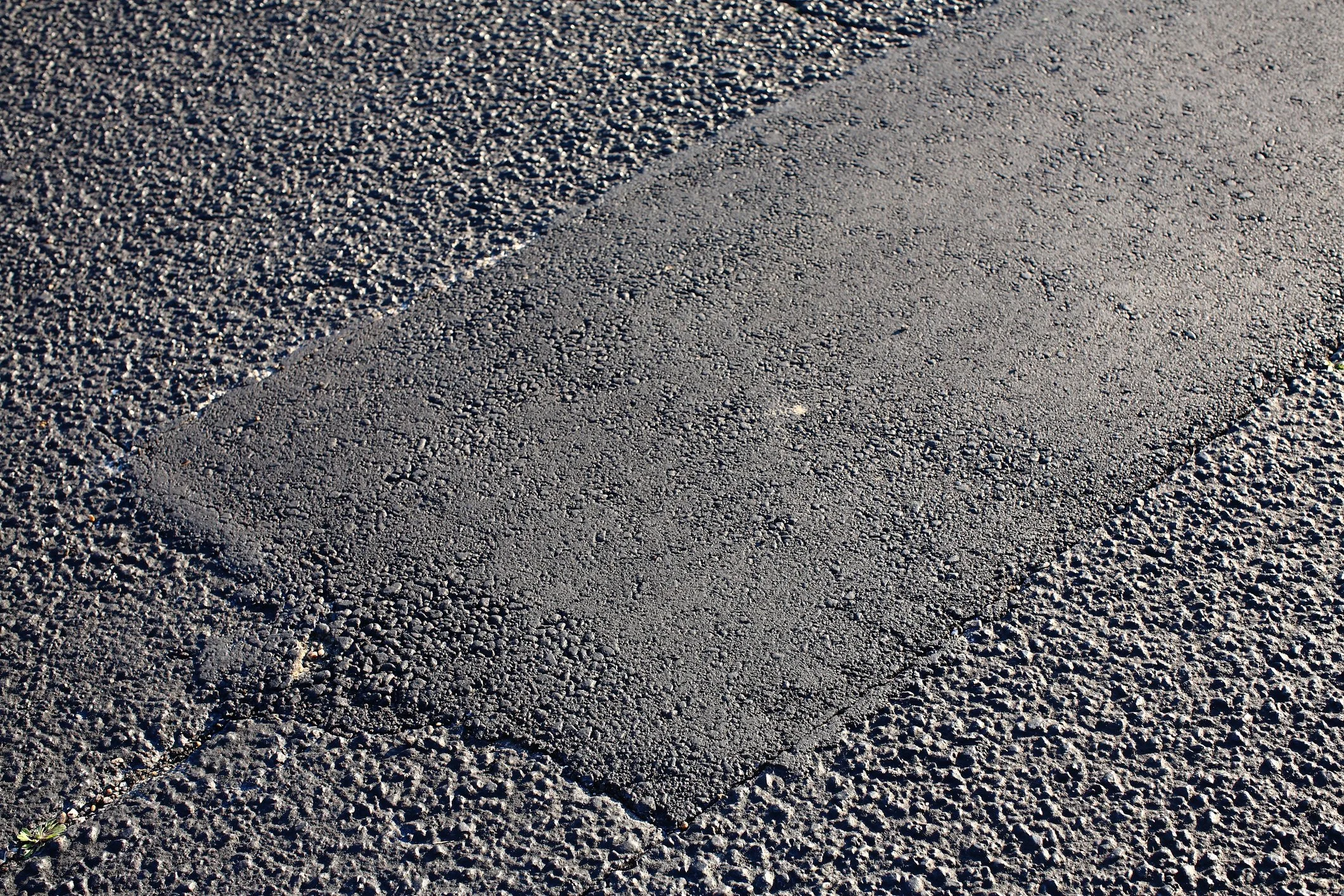
ASPHALT REPAIRS
SUB-BASE CORRECTION
SAW CUT CLEAN VERTICAL SEAMS
PROPER TACK COAT APPLICATION
HOT MIX ASPHALT MATCHED TO LOCAL SPEC
DOT DENSITY COMPACTION
FINAL SURFACES FLUSH WITH SURROUNDING PAVEMENT
Our Pavement Systems Analysis ensures all materials are applied based on pre-application analysis and calculated coverage rates, monitored during installation, and verified post-application to deliver consistent, performance driven results.
PAVEMENT SYSTEMS ANALYSIS
Film Thickness (Wet and Dry)
Coating thickness is monitored during application using wet film measurement (WFT) to ensure target film build is achieved. Where applicable post application verification (DFT) may be performed to confirm applied thickness and consistency across the surface.
Ignition Method (Asphalt Content)
Binder content of a core sample can be determined using ignition method testing, where asphalt binder is removed and aggregate mass is measured to calculate asphalt content.
Pavement Condition Index
Binder condition (oxidation & absorption)
Surface distress analysis
Drainage evaluation
Surface contamination assessment
Traffic load classification
Crack type and severity
Treatment suitability determination
Reflectivity Baseline (Pre & Post)
Pavement markings may be evaluated for retro reflectivity, to assess visibility performance. Measurements quantify the ability of markings to reflect light back to drivers, supporting visibility that takes place under real world conditions.
Marking Coverage Rate
Pavement markings are evaluated for application rate through LF vs gallons used. Material selection and application methods are informed by surface condition and performance requirements to ensure correct coverage.
Sealcoat Measurement
Sealcoat is applied using measured material output relative to surface area, with application rates monitored and adjusted during installation to maintain consistent film build across pavement.
Nuclear Density Testing
Asphalt and base materials can be evaluated using nuclear density gauge methods to assess in-place compaction. This provides insight into material density and uniformity, which directly influence pavement strength, durability, and long-term performance.
Density Testing of Asphalt Core
Core density can be evaluated through bulk specific gravity testing, providing measured compaction levels and insight into pavement strength and durability. Field density readings can be correlated with core density testing for verification.
Binder Assessment
Pavement surfaces are evaluated prior to application to assess binder depletion, oxidation, and surface integrity. Field-based analysis is used to determine coating suitability and inform treatment approach based on existing asphalt conditions.